Nairobi | September 7, 2026 | INFRAINTEL Bureau
Carbon-credit financing is lowering the upfront cost of cleaner cookstoves and electric cooking equipment across parts of Africa, helping households move away from charcoal and firewood.
Nearly one billion Africans still depend on polluting cooking fuels, and the International Energy Agency estimates that household air pollution contributes to about 850,000 deaths annually on the continent. In June, the agency announced USD 900 million in new commitments for clean-cooking technologies.
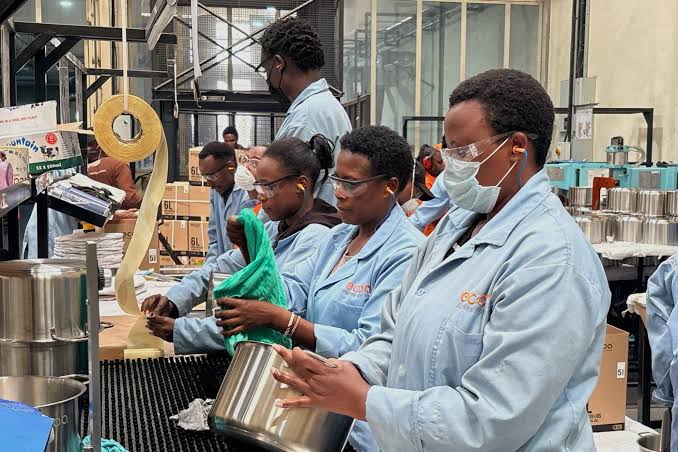
(Mongabay)
Nairobi-based manufacturer BURN says it has distributed more than 7.3 million stoves across 11 countries. Carbon revenue can reduce the retail price of an efficient biomass stove from around USD 40 to about USD 5, while induction equipment may be offered through pay-as-you-go arrangements.
Companies are using digital monitoring and usage data to strengthen measurement of emissions reductions. Critics warn that projects require capital before credits are generated and regulatory approval remains uncertain. Kenya’s Koko Networks closed after failing to secure authorisation to sell credits.
Carbon finance can accelerate adoption but should not be the sole foundation of the transition. Durable scale requires credible verification, consumer protection, reliable electricity or fuel supply, public funding, affordable credit and locally appropriate technologies whose actual household use is independently measured.