Kathmandu | September 2, 2026 | INFRAINTEL Bureau
(CNN)
The catastrophic Nepal-China floods have renewed concern that repeated high-mountain disasters may make reconstruction increasingly difficult or unviable in some Himalayan communities.
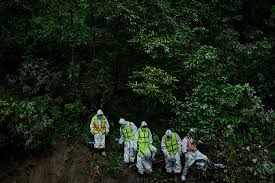
The August 26 disaster followed a collapse of bedrock and glacier ice that sent water, mud and debris through river valleys, killing more than 1,000 people and leaving thousands missing, according to the source report.
Scientists said direct attribution of the individual event to climate change remained premature, but warmer temperatures are accelerating glacier loss, thawing permafrost and increasing the probability of cascading rockfalls, avalanches and floods.
Experts warned that roads, bridges, hydropower projects and settlements require multi-hazard assessment. In some locations, relocation may become safer than repeated reconstruction.
Warning systems also showed limitations: messages did not always reach people in understandable languages, some recipients underestimated the threat and river-monitoring equipment was overwhelmed or destroyed.
Risk reduction requires cross-border monitoring, actionable multilingual alerts, stricter land-use rules, resilient infrastructure, indigenous knowledge and transparent criteria for relocation. Climate attribution and responsibility should remain evidence-based while acknowledging Nepal’s very small share of global emissions.