Austin/New York | September 4, 2026 | INFRAINTEL Bureau
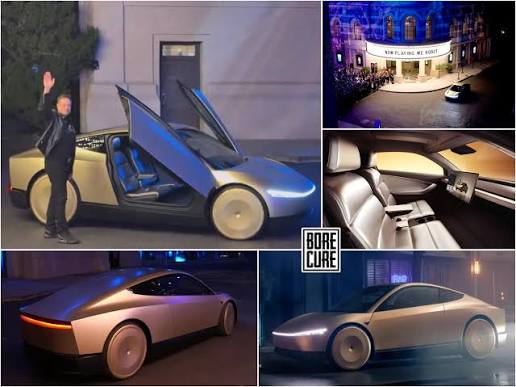
(TechCrunch)
Tesla has placed dozens of purpose-built Cybercabs without steering wheels or brake pedals on Austin streets as it seeks to expand its autonomous ride-hailing business.
The deployment goes beyond Tesla’s earlier robotaxi service using conventional vehicles with manual controls. The company reportedly operates more than 200 unsupervised robotaxis across cities in Texas and Florida, while rival Waymo operates a substantially larger fleet in more markets.
Tesla relies mainly on cameras for automated driving, whereas competitors including Waymo and Zoox also use radar and lidar. The company must demonstrate that its system can manage pedestrians, intersections and poor visibility without passenger intervention.
Public acceptance remains uncertain. A February Pew survey found seven in ten US adults were not comfortable riding in a driverless car, while federal regulators continue investigations involving crashes, traffic-law violations and reporting practices connected with Tesla’s driver-assistance technology.
The Cybercab launch is commercially significant but not proof of safety at scale. Independent crash and disengagement data, operational boundaries, remote assistance, emergency response, cybersecurity, insurance and regulatory oversight will determine whether the service earns durable public trust.